

+1,238%increase in calls
Vernsten Law
Eric Vernsten
Divorce & Family Law Attorney
“I have so many leads I can barely service the business.”Explore the story →
SERVICES
A website should do more than look good. Turn relevant visits into valuable actions, with CRO, SEO and AEO built into the experience.
A clear plan. A dedicated partner. Measurable progress.
THE PROOF IS PERSONAL
+1,238%increase in calls
Eric Vernsten
Divorce & Family Law Attorney
“I have so many leads I can barely service the business.”Explore the story →
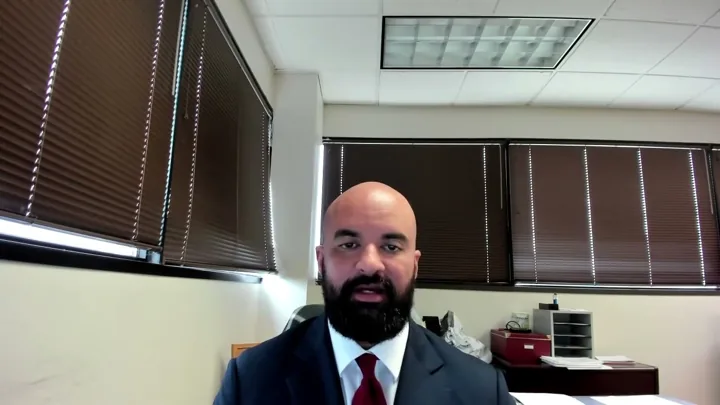
+230%increase in calls
Zachary Gold
Managing Attorney · Immigration Law
“In just 3 months, we jumped to the number one organic spot.”Explore the story →
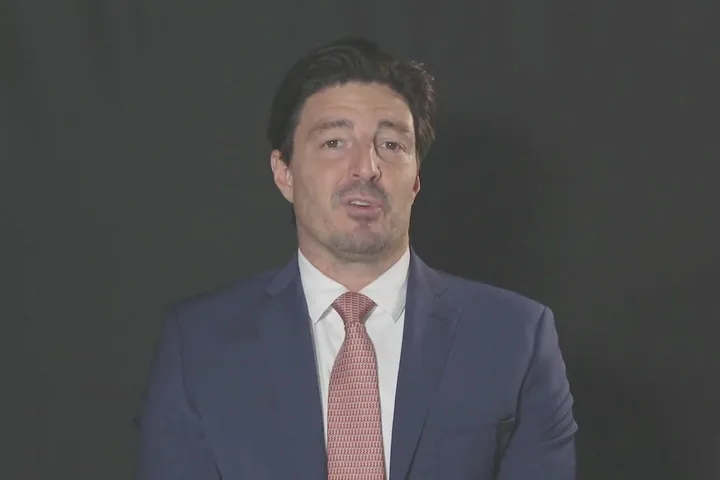
$45Kless ad spend per month
Adam Cohen
Ticket Crushers Law · California
“We were able to turn off all paid marketing and rely entirely on his SEO.”Explore the story →
A LAUNCH THAT PROTECTS WHAT WORKS
Keep your valuable URLs, tracking, lead routes and existing search signals. Map necessary redirects before launch.
Review crawlability, page titles, headings, structured data and internal links. Confirm search and AI crawlers can access the useful content.
Test navigation, forms, booking, checkout where applicable, and mobile performance before the new site goes live.
Sample eight-week schedule for a small-business site. Timing changes with the size of the site and the speed of content approval; the five stages stay in this order.
BEFORE THE SWITCH
The five checks below are the ones that decide whether a launch week is uneventful. Each is a pass or a fail recorded against the week-one inventory, not a judgment anyone has to make on the day, and every one of them is run again the morning the site goes live. Most of what sites lose in a rebuild is lost to one of these five going unchecked rather than to anything a designer decided.
What passing it means: Every URL is accounted for: each old address is requested and confirmed to land, in one hop, on its closest replacement. Anything retired on purpose is recorded with the reason.
What passing it means: Each form submitted and each tracked number dialled, on the live site and on a phone, until somebody on your side confirms it arrived.
What passing it means: Indexed pages, non-branded impressions and the position of the pages that already earn visits, written down before the switch rather than reconstructed after it.
What passing it means: Every rebuilt template renders inside the budget agreed in week one, measured on a mid-range phone rather than an office connection.
What passing it means: Organization, service and article markup parses without error, and states only what the page itself states.
Passing all five does not guarantee a ranking; failing any one of them reliably costs one, and the cheapest of the five to check is the one most often skipped.
A PLAN YOU CAN FOLLOW
Agree what each page should help someone do: call, inquire, book or buy. Define what makes that action valuable to your business before the design starts.
Explain the offer clearly, answer the visitor’s questions and show relevant proof. Keep one clear next step within reach, with contact, booking or checkout shaped around how your business works.
Build fast, accessible pages with clear headings, internal links and SEO and AEO foundations. Protect existing URLs and connect the conversion paths to measurement before launch.
Use qualified inquiries, completed purchases and customer feedback to decide what to test next. Improve the journey using real business outcomes, rather than judging the design by appearance alone.
BUILT IN, NOT BOLTED ON
A website that looks finished can still be invisible. Headings that are only styling, copy that arrives after a script, pages nothing links to, and markup describing things the page never says: each one is a reason for a search engine or an assistant to pass the page over. These are cheap to build in at the start and expensive to retrofit later, which is why they are part of the build rather than a phase after it.
Why it matters once the site is live: Real headings, lists and landmarks, so a crawler and a screen reader read the page the same way a visitor does.
Why it matters once the site is live: Text in the page rather than baked into an image or loaded only after a script runs. Anything a crawler cannot read cannot be quoted.
Why it matters once the site is live: Every page reachable from another page, with link text that says where it goes. Orphaned pages are invisible however good they are.
Why it matters once the site is live: A page that renders quickly on an ordinary connection. Most of this audience arrives on mobile, and most of them leave if it stalls.
Why it matters once the site is live: Organization, service and article markup that states what is actually on the page. No markup for things the page does not say.
Five things, every one of them verifiable on the day the site goes live rather than argued about later. None of them is a ranking promise; they are the checks a developer can be held to.
A FEW THINGS YOU MAY BE WONDERING
Yes, inside the build rather than as a later add-on: crawlable markup, meaningful headings, internal links, accurate structured data and fast rendering. Ongoing content and measurement are a separate service.
By shortening the distance between what a visitor wants and the action that gets it. A clear offer, honest proof, useful navigation and one obvious next step, then measurement of where people actually stop.
We inventory every URL earning traffic or links first, keep the ones that still make sense, redirect the rest one to one, carry metadata across and re-check indexing and forms after launch.
Page count, how much content has to be written, and integrations with booking, payment or CRM systems move the number far more than visual design does. Those three get scoped before we quote.
YOUR NEXT CHAPTER
Tell us the outcome you are measured on. We’ll tell you which of these services moves it first, and what it would take.
A free strategy call. A practical conversation about your business.
Prefer to send a message? →