

+1,238%increase in calls
Vernsten Law
Eric Vernsten
Divorce & Family Law Attorney
“I have so many leads I can barely service the business.”Explore the story →
HEALTHCARE MARKETING
Connect patient questions, trusted expertise and simple booking. Build a clear path from discovery to the appointments your practice can serve.
A clear plan. A dedicated partner. Measurable progress.
THE PROOF IS PERSONAL
+1,238%increase in calls
Eric Vernsten
Divorce & Family Law Attorney
“I have so many leads I can barely service the business.”Explore the story →
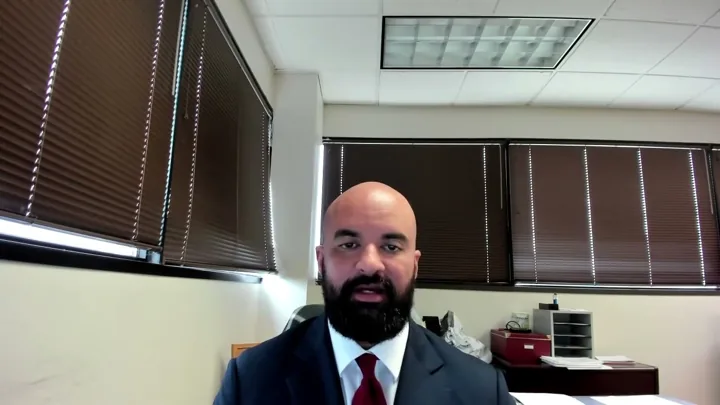
+230%increase in calls
Zachary Gold
Managing Attorney · Immigration Law
“In just 3 months, we jumped to the number one organic spot.”Explore the story →
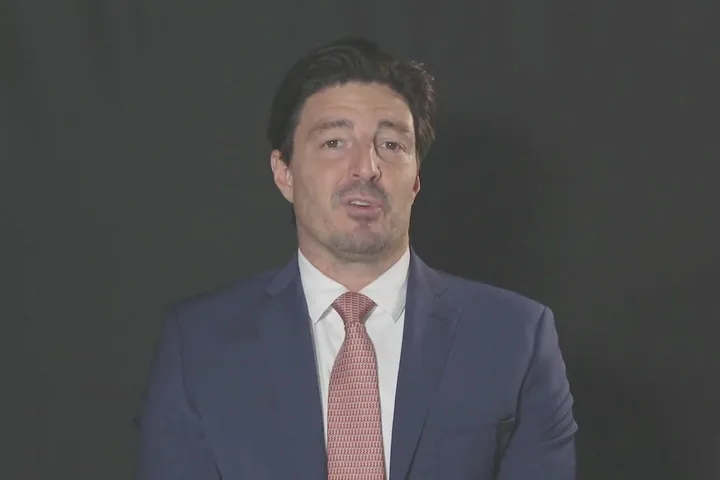
$45Kless ad spend per month
Adam Cohen
Ticket Crushers Law · California
“We were able to turn off all paid marketing and rely entirely on his SEO.”Explore the story →
THE RIGHT PIECES. WORKING TOGETHER.
Convert the right visitors into patient appointments, with CRO, SEO and AEO built in.
Explore Web design →A PLAN YOU CAN FOLLOW
Start from the appointments your schedule can absorb, then find the searches made by patients who want that care and are ready to book, rather than every health question typed.
Give the clinic one description, one set of services and one set of hours everywhere a patient looks, so search, AI answers and your own site never disagree.
Make the booking step obvious on every page, and answer what the visit involves, what to bring and how long it takes before the patient has to pick up the phone.
Count the appointment requests that came in, the ones that turned into a booking, and the ones where the patient actually arrived. The last number is the one that matters.
WHAT A PATIENT CHECKS FIRST
Between finding a practice and phoning one, a patient answers four questions for themselves, and a practice site that leaves any of them open loses the appointment to whichever site answered it. None of the four is a design problem. They are decisions about what the practice is willing to state in public, which is why they are agreed before a page is written rather than after it.
Where it has to be visible: The clinician page, and the service page that names them. What it has to say: The clinician, their registration number and where they trained, with a photograph taken this decade. What it costs you when it is missing: The patient books wherever a person is named, because a building cannot reassure anybody.
Where it has to be visible: The service page, in the first two sentences. What it has to say: What the appointment involves, how long it takes, who it suits and who it does not. What it costs you when it is missing: The front desk spends the call explaining what the page could have said, and the wrong patients book.
Where it has to be visible: The service page and the booking page, not a PDF. What it has to say: Which cover you accept and what a self-funded appointment costs. If the answer varies, say what it varies with. What it costs you when it is missing: This is the question people leave to ask a competitor rather than a receptionist.
Where it has to be visible: Every page a patient can land on. What it has to say: The phone number, answered during the hours printed next to it, and whatever booking tool the practice already pays for. What it costs you when it is missing: The appointment goes to whoever picked up instead. An unattended form is a lost patient and a bad review waiting to be written.
Four checks, in the order a patient makes them. We publish insurance and fee information only where the practice has confirmed it is current, because a page that is wrong about cover creates a complaint rather than an appointment.
WHERE THE APPOINTMENTS ACTUALLY ARE
A practice offering urgent appointments, routine care and elective treatment is really running three marketing problems, because those patients decide in minutes, in days and over weeks. One plan, one message and one landing page serves none of them well. This overview splits what you offer by how long the decision takes and by what the schedule can absorb, because visibility you cannot staff is a complaint waiting to be written rather than growth.
Where the patients come from: The immediate area, on a phone, within the hour. How they decide: Whoever is open, close and answers. Nothing else is read. What we watch: Calls picked up inside opening hours, set against the ones that rang out.
Where the patients come from: The catchment of each site, steadily, all year. How they decide: Convenience and familiarity, usually from a listing rather than a website. What we watch: New patient registrations per location, and how many return for the next visit.
Where the patients come from: A wider area, often after a referral or a second opinion. How they decide: The clinician. Credentials, experience and what the appointment actually involves. What we watch: Consultations booked, and how many arrive already knowing what the appointment involves.
Where the patients come from: The widest area, over weeks of comparing. How they decide: Price, recovery and evidence, read in full before anyone calls. What we watch: Consultations booked and how many proceed, against the cost of getting them.
Sample service groups. Place each live service by how long the decision takes and whether the practice can staff the appointments it would bring. Capacity matters as much as search volume.
A CLEAR CONNECTION TO YOUR BUSINESS
Know which service and which location the caller was actually looking for.
Follow the inquiry to a held slot, not just a completed contact form.
Review attendance and no-shows with your team, in aggregate only.
A FEW THINGS YOU MAY BE WONDERING
Demand, urgency and decision time all differ. Emergency care has to be found immediately nearby; an elective treatment needs explanation and reassurance first. The plan follows the treatments you want to grow.
Appointments booked and appointments attended, kept separate. An inquiry that never becomes a visit is not growth, so reporting follows the patient journey through to the chair.
Usually yes. We map the route from page to booking before changing anything, keep the software your front desk already knows, and test the whole path on a phone after launch.
No patient health information enters marketing tools. Forms and call tracking are configured to your practice’s compliance requirements, and reporting stays aggregate: appointment counts, never identifiable detail.
YOUR NEXT CHAPTER
Tell us the appointments you want more of and the sites you run. We’ll tell you what it would take to be found for them.
A free strategy call. A practical conversation about your business.
Prefer to send a message? →