

+1,238%increase in calls
Vernsten Law
Eric Vernsten
Divorce & Family Law Attorney
“I have so many leads I can barely service the business.”Explore the story →
HEALTHCARE MARKETING
Put the budget behind the treatments your schedule can absorb. Connect focused Google Ads, relevant landing pages and conversion feedback with appointments that are booked and kept.
A clear plan. A dedicated partner. Measurable progress.
THE PROOF IS PERSONAL
+1,238%increase in calls
Eric Vernsten
Divorce & Family Law Attorney
“I have so many leads I can barely service the business.”Explore the story →
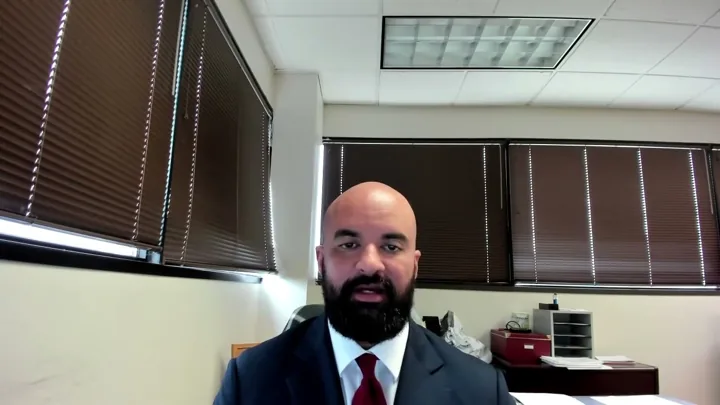
+230%increase in calls
Zachary Gold
Managing Attorney · Immigration Law
“In just 3 months, we jumped to the number one organic spot.”Explore the story →
A CLEAR CONNECTION TO YOUR BUSINESS
Know the query behind each paid call, not only the keyword you bid on.
Mark each paid call for service fit, insurance and appointment capacity.
Compare spend against visits that were actually attended, per campaign.
A PLAN YOU CAN FOLLOW
Start with treatments the schedule can absorb and searches made by patients ready to book. Group demand around services the practice actually provides, so paid acquisition supports available appointments instead of every symptom question people research.
Give each treatment group a matching ad, then exclude symptom research, job searches and price only queries before they spend the budget. This keeps paid clicks focused on people seeking care the practice can provide.
Send each campaign to its treatment page, with the appointment offer, hours and phone number in the first screen. Keep the request to fields reception needs, and pass the treatment, campaign and call time with every inquiry.
Match each call and form to its campaign, then let the front desk mark it as booked, wrong fit or an existing patient. Set spend against appointments kept, so the budget moves toward campaigns that fill the schedule with suitable visits.
THE SEARCHES WORTH BUYING
A practice that offers urgent care, dermatology, physiotherapy and implants is really running four campaigns, because those patients are making four different decisions. One needs somewhere open this afternoon; another is comparing clinicians for a treatment they have been thinking about for months. One campaign, one landing page and one message serves none of them well, and the click costs the same either way.
The ad group it belongs to: Urgent care, same day Where the click lands: The urgent care page, with today’s hours and how long the wait usually is. Why it is kept separate: Time is the whole decision here. A general homepage loses this click to whoever answered the question.
The ad group it belongs to: Dermatology, skin checks Where the click lands: The skin check page: what the appointment involves, and which clinician performs it. Why it is kept separate: A screening appointment is a different decision, and a different cost, from a cosmetic one.
The ad group it belongs to: Physiotherapy, post-operative Where the click lands: The post-operative rehabilitation page, including the referral route. Why it is kept separate: Post-operative care has a referral path a general physiotherapy page does not explain.
The ad group it belongs to: Implants, consultation Where the click lands: The implant page, with what the consultation covers and what happens after it. Why it is kept separate: A high-consideration treatment. The click is expensive, so the page has to answer the cost question rather than defer it.
Sample ad groups for four services a multi-disciplinary practice might offer. Build the live groups from treatments your clinicians provide and appointments the practice can staff.
THE PAGE THE CLICK LANDS ON
The landing page is where a healthcare campaign is won or lost, and most of them ask for too much too early. A patient arriving from an ad wants to know three things before they will give you a phone number: is this treatment for me, who would I be seeing, and how do I actually book. Answer those three and the form can be short, because by then it is only collecting a name.
The treatment, who it suits and who it does not, in the first screen. A patient who reads two sentences and knows this is the wrong clinic has been served well.
Who performs it, their registration and how long they have been doing it. Healthcare is the one market where the person matters more than the brand.
A phone number that is answered, an online booking link that works on a phone, and a plain statement of what happens after they send it.
A FEW THINGS YOU MAY BE WONDERING
Campaigns are built per treatment you actually offer, with the ones you do not take excluded outright. Geography follows your catchment, so you are not paying for clicks well outside it.
Landing page work, conversion tracking set up within healthcare advertising restrictions, call tracking, and a review cycle comparing spend against booked appointments. Media spend is billed by the platform, separately.
Three separate counts: inquiries, appointments booked and appointments attended. Front desk feedback closes the loop, so a campaign producing calls that never turn up gets changed rather than celebrated.
Tracking records that a booking happened, not who booked or what for. The approved measurement setup is documented with your practice before any campaign runs, within the platforms’ restrictions on sensitive data.
YOUR NEXT CHAPTER
Tell us the appointments you want more of and the sites you run. We’ll tell you what it would take to be found for them.
A free strategy call. A practical conversation about your business.
Prefer to send a message? →