
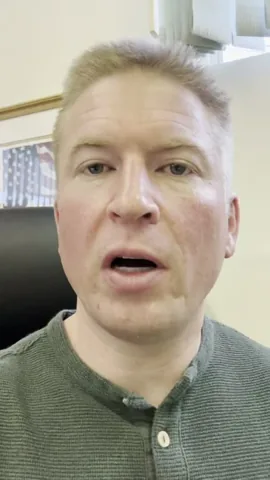
+1,238%increase in calls
Vernsten Law
Eric Vernsten
Divorce & Family Law Attorney
“I have so many leads I can barely service the business.”Explore the story →
LAW FIRM MARKETING
Useful legal education, attorney perspectives, and authentic firm stories that build familiarity before the first call.
A clear plan. A dedicated partner. Measurable progress.
THE PROOF IS PERSONAL
+1,238%increase in calls
Eric Vernsten
Divorce & Family Law Attorney
“I have so many leads I can barely service the business.”Explore the story →
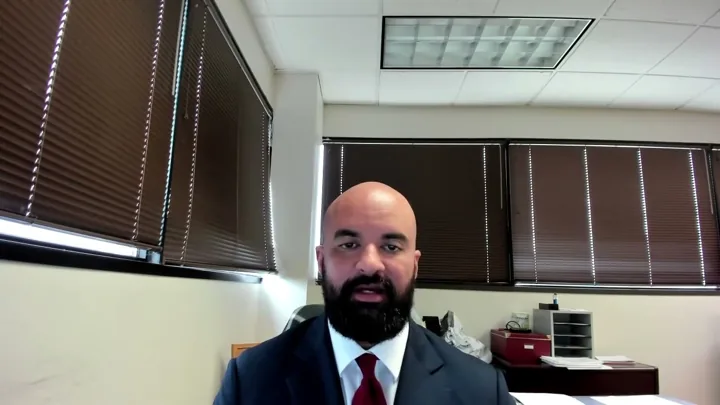
+230%increase in calls
Zachary Gold
Managing Attorney · Immigration Law
“In just 3 months, we jumped to the number one organic spot.”Explore the story →
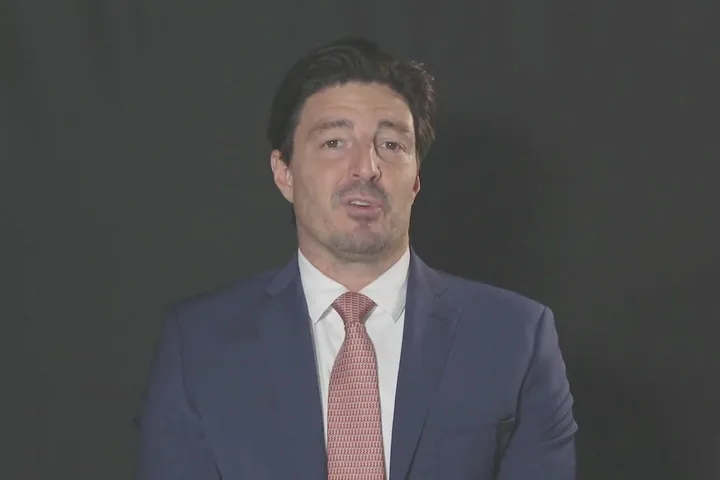
$45Kless ad spend per month
Adam Cohen
Ticket Crushers Law · California
“We were able to turn off all paid marketing and rely entirely on his SEO.”Explore the story →
A CLEAR CONNECTION TO YOUR BUSINESS
Check whether the audience watching sits in the venues you practice in.
Ask callers whether they had seen your attorneys before they dialed.
Review whether social-sourced consultations match the matters you take.
A PLAN YOU CAN FOLLOW
Separate people ready to call a lawyer from those comparing firms and those still deciding whether they have a case. Plan for the questions each group needs answered, so every post has a defined audience and next step.
Turn common first call questions about fees, timelines and what happens next into short videos and plain written explanations. Include attorneys’ practical perspective, the firm’s story and relevant local involvement, with evidence that helps people understand the answer.
Have the responsible attorney check every claim before publication. Keep approved and awaiting posts on one calendar across the firm’s channels, so partners can see the week ahead and nothing is scheduled before the legal wording is signed off.
Follow views into profile visits, conversations and consultations the firm actually held. Compare each stage with the next to see where prospective clients stop, then use that evidence to choose the questions and formats for the following plan.
THREE PLATFORMS, THREE JOBS
Legal social media fails in a predictable way: a firm posts case results and office news to an audience of other lawyers, and concludes the channel does not work. What people watch is an attorney answering a question they were too embarrassed to ask. That format travels, it is genuinely useful, and it can be produced three ways from one filming session. This overview sets out what each platform rewards, the post that belongs there, and where the viewer should go next.
The post: Ninety seconds on one question a client asks at a first consultation, filmed by the attorney who answers it. Why it works there: Faces earn the follow. A firm people recognize is a firm they call when something goes wrong. The next useful step: The practice page for that matter, linked in the profile and named in the caption.
The post: A common misconception corrected in one take, with the answer in the first three seconds. Why it works there: Reach here still goes beyond your followers, which is why a small firm can be found by people who have never heard of it. The next useful step: A guide that explains the matter properly, rather than a consultation request from someone still reading.
The post: An introduction to an attorney: the matters they handle, where they practice and how long they have been doing it. Why it works there: The local audience here is older and more likely to call than message. The next useful step: The attorney page, and the phone number that reaches intake.
Three platforms, three formats, all produced from one filming session. None of this is legal advice and none of it discusses a live matter: the point of the format is that it is useful enough to watch, and general enough to publish.
NOTHING GOES OUT UNREVIEWED
A firm is answerable for everything published in its name, to clients and to its bar. That makes the review stage the part of a legal social program worth designing first, rather than the part that gets improvised once a post is already late. Four stages and one named attorney, set out below. The advertising rules differ by jurisdiction and the firm is the only party that can apply them, so that decision stays with the firm rather than with us.
Who owns it: Us, from the questions your intake team is asked most often. What it produces: A script and a caption, with any statement of law flagged for the attorney to confirm.
Who owns it: A named attorney at the firm. One pass, in a shared queue, with a deadline. What it produces: Approved, or corrected and approved. Jurisdiction-specific statements stay the firm’s call rather than ours.
Who owns it: The firm, against the advertising rules of the bar it is admitted to. What it produces: Any required disclaimer added, and anything that reads as a guarantee of outcome removed.
Who owns it: Us, scheduled in the platform. What it produces: A record of what was approved, by whom, and on what date, kept for as long as the firm needs it.
The record is the point of the chart: a question about a post two years old is answered from it rather than reconstructed from memory. We keep it for as long as the firm asks us to, and hand it over on request.
A FEW THINGS YOU MAY BE WONDERING
Wherever your future clients already are. Short video on Instagram or TikTok reaches consumer matters; LinkedIn suits referral and business work. Choosing by attorney comfort rather than audience is the usual mistake.
An attorney at your firm. Every draft touching legal substance is reviewed before scheduling, and jurisdiction-specific statements stay the firm’s call rather than ours.
No, it is scoped and budgeted separately. Organic content builds familiarity over time while paid social buys reach now, and keeping them apart shows which produced the inquiries.
The questions clients ask in the first ten minutes of a consultation. General education about process and rights travels well; commentary on a live matter or a specific client’s facts does not.
YOUR NEXT CHAPTER
Tell us the matters you want more of and the markets you practise in. We’ll tell you what it would take to be found for them.
A free strategy call. A practical conversation about your business.
Prefer to send a message? →