

+1,238%increase in calls
Vernsten Law
Eric Vernsten
Divorce & Family Law Attorney
“I have so many leads I can barely service the business.”Explore the story →
ECOMMERCE MARKETING
Make your expertise easier to discover across ChatGPT, Claude, Gemini, Grok and Google AI Overviews. Connect useful answers with profitable purchases.
A clear plan. A dedicated partner. Measurable progress.
THE PROOF IS PERSONAL
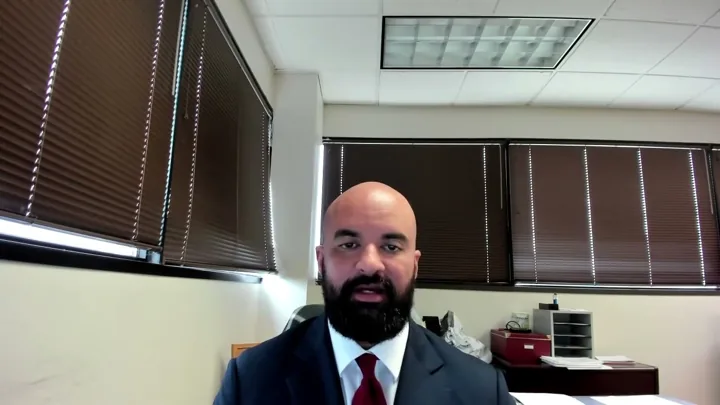
+1,238%increase in calls
Eric Vernsten
Divorce & Family Law Attorney
“I have so many leads I can barely service the business.”Explore the story →
+230%increase in calls
Zachary Gold
Managing Attorney · Immigration Law
“In just 3 months, we jumped to the number one organic spot.”Explore the story →

$45Kless ad spend per month
Adam Cohen
Ticket Crushers Law · California
“We were able to turn off all paid marketing and rely entirely on his SEO.”Explore the story →
A CLEAR CONNECTION TO YOUR BUSINESS
See which shopping questions return your products across the assistants.
Watch the product-page visit that follows the recommendation.
Review AI-sourced orders for margin and return rate, not volume alone.
A PLAN YOU CAN FOLLOW
Ask assistants the questions shoppers ask before buying. Record which stores and products they recommend, the specifications they repeat and the sources behind each answer, so the work starts with visible recommendation gaps rather than assumptions.
Publish profiles for the people who choose and test the range and the categories they manage. Keep store, product and category facts consistent across the site and feeds, and name the source behind every specification so assistants can verify it.
Answer each buying question in a few plain, sourced sentences on a page available without a login. Write precisely enough for an assistant to quote the answer without changing a size, feature or other detail a shopper needs.
Repeat the same prompts monthly and log each recommendation, cited page and quoted specification. Track when products appear, disappear or move, flag stale prices or wrong sizes, and compare those changes with the orders that follow.
WHAT THE ASSISTANTS SAY NOW
Before anything is changed, we find out what the assistants already say when somebody asks for what you sell. The same buying questions, asked on each platform, on a recorded date, with what was cited written down. Most stores are surprised twice: by how often a retailer or a review site is cited instead of them, and by how often the facts being quoted back are ones they changed months ago.
Sample prompt log
Platform: ChatGPT Date checked: 4 August 2026 Cited URL: yourbrand.com/collections/running-shoes/ What we did next: Cited. The collection page answered the question directly, so we extended it with the comparison shoppers kept asking for.
Platform: Google AI Overview Date checked: 11 August 2026 Cited URL: — not cited What we did next: Three retailer pages were cited instead. We corrected the specification data those retailers publish about the range.
Platform: Gemini Date checked: 18 August 2026 Cited URL: yourbrand.com/products/trail-shoe/ What we did next: Cited, but quoting a fit note we had already changed. The product page and the merchant feed were corrected together.
Sample prompt log. Record what was asked, where and when it was checked, which URL was cited, and what changed in response. Mentions cannot be guaranteed, so repeat the same prompts to compare the answers over time.
ONE SET OF FACTS
An assistant answering a question about your product is reading whichever version of the facts it found first. That might be your product page, the structured data on it, the feed you send to a marketplace, or a retailer’s page that has not been updated since last year. When those disagree, the answer is wrong, and the shopper finds out at checkout. The diagram traces the route from one SKU to the answer somebody is shown.
Read it left to right. The product page is the one place price, availability and specification should be written. Structured data, merchant feeds and the retailer and review pages that quote you all inherit from it. An assistant cites whichever of those it reaches first, so the answer a shopper sees is only right when all of them agree. Keeping them in agreement is most of this work.
A FEW THINGS YOU MAY BE WONDERING
From the buying questions people put to an assistant about your categories, such as best for a use case, comparisons and compatibility, limited to products you actually stock and want to sell.
A feed is the machine-readable version of your catalogue. When titles, identifiers, price and availability match the product page exactly, assistants describe your products correctly instead of guessing.
No. Assistants weigh their own sources and change answers between sessions. Accurate product facts, credible reviews and consistent data make you safer to recommend, which is as far as honesty goes.
Availability has to reach the feed and the page quickly, or you get recommended for something nobody can buy. Stock accuracy is checked as part of the monitoring, not only at setup.
YOUR NEXT CHAPTER
Tell us the products worth growing and what they earn after returns. We’ll tell you where the demand actually is.
A free strategy call. A practical conversation about your business.
Prefer to send a message? →